 EN
EN

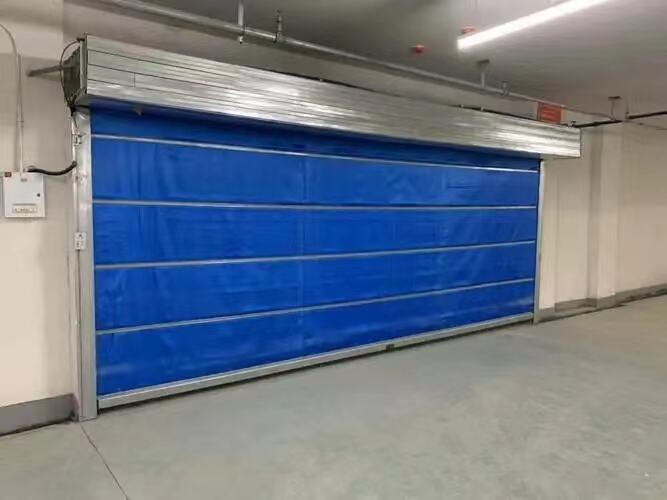
Your garage door is one of the most frequently used mechanical systems in your home, operating hundreds of times per year. When problems arise, they can disrupt your daily routine and compromise the security of your property. Understanding common garage door issues and their solutions can help you maintain this essential home component effectively. Most garage door problems stem from wear and tear, lack of maintenance, or component failure, but many can be addressed with proper knowledge and tools.
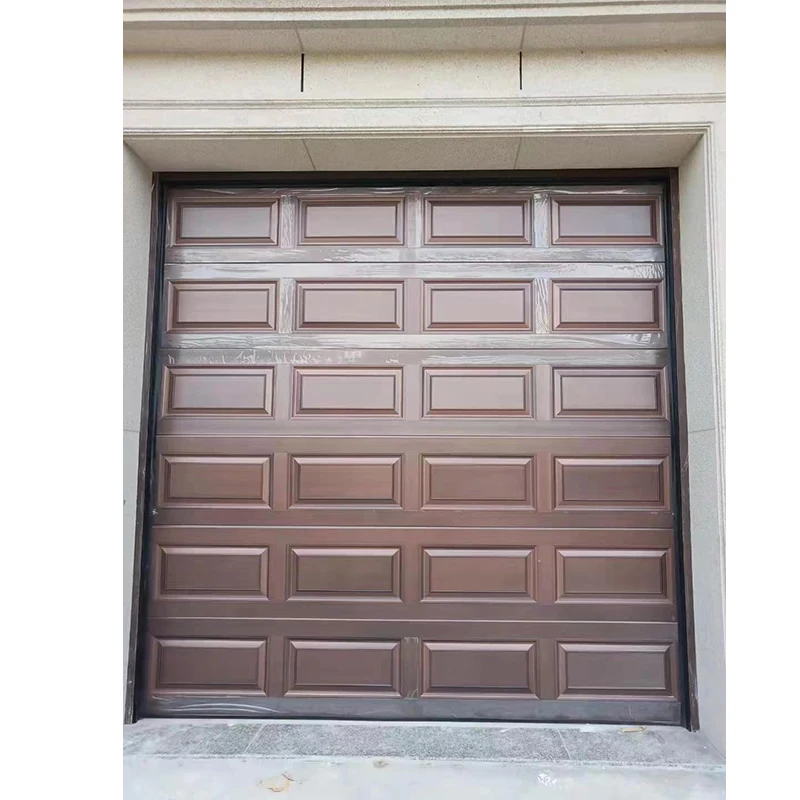
Regular maintenance and prompt attention to issues can extend the lifespan of your garage door system significantly. Professional installation and quality components also play crucial roles in preventing common problems. By recognizing early warning signs and implementing appropriate fixes, homeowners can avoid costly repairs and ensure smooth operation for years to come.
Broken or Damaged Springs
Torsion Spring Failures
Torsion springs are the powerhouse of your garage door system, bearing the weight and providing the lifting force necessary for smooth operation. These springs are mounted horizontally above the door opening and twist to generate the energy needed to lift heavy garage door panels. When a torsion spring breaks, you will typically hear a loud bang followed by the door becoming extremely heavy or impossible to lift manually.
The average lifespan of torsion springs ranges from 10,000 to 15,000 cycles, which translates to approximately seven to twelve years of normal residential use. Factors affecting spring longevity include climate conditions, frequency of use, and the quality of the original installation. Cold temperatures can make springs more brittle, while excessive heat may cause premature wear.
Replacing torsion springs requires specialized tools and expertise due to the high tension involved. The process involves releasing the stored energy safely, removing the broken spring, and installing a properly sized replacement. Professional technicians use winding bars and follow strict safety protocols to prevent injury during this dangerous procedure.
Extension Spring Issues
Extension springs operate differently from torsion springs, stretching and contracting along the horizontal tracks on either side of the door. These springs are under constant tension and can snap suddenly, creating safety hazards if not properly maintained. Extension springs typically show visible signs of wear before complete failure, including gaps in the coils or rust formation.
When extension springs break, the garage door may fall rapidly or become unbalanced, putting stress on other system components. Safety cables should always accompany extension springs to prevent the spring from flying across the garage when it breaks. These cables run through the center of each spring and attach to the track mounting hardware.
Homeowners can perform visual inspections of extension springs by looking for signs of stretching, corrosion, or physical damage. Lubrication with appropriate garage door lubricant can help extend spring life, but replacement should be left to professionals who understand proper tension adjustment and safety procedures.
Malfunctioning Garage Door Opener
Remote Control Problems
Remote control issues are among the most frustrating garage door problems because they often appear intermittently. Dead batteries are the most common culprit, but signal interference from other electronic devices can also cause erratic behavior. Modern garage door openers use rolling code technology to prevent signal interception, but this can sometimes lead to synchronization problems between the remote and receiver.
Environmental factors such as extreme temperatures can affect battery performance and signal transmission range. Cold weather reduces battery capacity, while hot conditions can cause electronic components to malfunction. Additionally, physical obstructions like thick walls or metal objects can block radio signals between the remote and opener unit.
Troubleshooting remote control problems starts with battery replacement and checking for obvious damage to the remote housing. If multiple remotes experience the same issues, the problem likely lies with the opener's receiver unit. Professional diagnosis may be necessary to determine whether the receiver board needs replacement or if antenna positioning adjustments can resolve the issue.
Motor and Drive System Failures
The motor and drive system form the heart of automatic garage door operation, converting electrical energy into mechanical motion. Chain drives, belt drives, and screw drives each have unique failure patterns and maintenance requirements. Chain drives are robust but noisy, while belt drives offer quieter operation but may stretch over time.
Motor burnout typically results from excessive strain caused by imbalanced doors, worn springs, or obstructed tracks. Thermal overload protection prevents motor damage in most cases, but repeated overheating can lead to permanent failure. Strange noises, slow operation, or intermittent stopping often indicate impending motor problems that require professional attention.
Drive system maintenance involves regular lubrication of moving parts and adjustment of chain or belt tension. Loose chains can jump off sprockets, while overtightened chains put unnecessary stress on motor bearings. Belt drives require less maintenance but should be inspected for fraying or stretching that could lead to slippage or breakage.
Track Alignment and Obstruction Issues
Misaligned Track Systems
Proper track alignment is essential for smooth garage door operation and preventing premature wear on rollers, hinges, and other components. Tracks must be perfectly parallel and plumb to guide the door panels through their full range of motion without binding or excessive friction. Even minor misalignment can cause significant operational problems and safety hazards.
Common causes of track misalignment include loose mounting hardware, foundation settling, or impact damage from vehicles or equipment. Temperature fluctuations can also cause building materials to expand and contract, gradually shifting track positions over time. Regular inspection of track mounting bolts and brackets helps identify alignment issues before they become major problems.
Correcting track misalignment requires careful measurement and adjustment of mounting hardware while ensuring proper clearances throughout the door's travel path. Vertical tracks must be plumb, while horizontal sections need precise spacing and angle adjustments. Professional technicians use specialized tools and gauges to achieve the precise alignment necessary for optimal performance.
Foreign Object Obstructions
Track obstructions can range from obvious debris like rocks or tools to subtle issues like built-up dirt and lubricant residue. Even small obstructions can cause the door to bind, creating strain on the opener motor and potentially damaging door panels or hardware. Modern safety systems typically reverse the door when encountering resistance, but older systems may continue attempting to operate despite obstructions.
Regular track cleaning prevents most obstruction-related problems and ensures smooth roller movement throughout the door's operating cycle. Accumulated debris can also interfere with weather sealing and allow moisture infiltration that leads to rust and corrosion. A simple visual inspection during routine maintenance can identify potential obstruction sources before they cause operational problems.
Cleaning tracks involves removing all debris, wiping down surfaces with appropriate cleaners, and applying fresh lubrication to moving components. Care must be taken not to use petroleum-based lubricants that can attract more dirt and debris. Silicone-based lubricants provide better long-term performance and resist contamination accumulation.
Worn Rollers and Hardware
Roller Replacement and Maintenance
Garage door rollers endure tremendous stress during each operating cycle, supporting the weight of door panels while navigating curves and direction changes in the track system. Steel rollers with ball bearings offer durability but require regular lubrication, while nylon rollers provide quieter operation with minimal maintenance requirements. The choice between roller types depends on usage patterns, noise considerations, and budget constraints.
Signs of roller wear include increased noise during operation, visible flat spots or chips on roller surfaces, and binding or jerky door movement. Worn rollers can damage tracks and put additional strain on the opener motor, leading to premature failure of multiple system components. Regular inspection allows homeowners to identify roller problems before they cascade into more expensive repairs.
Roller replacement involves safely securing the door, removing door panels or sections as necessary, and installing properly sized replacement rollers. The process requires attention to roller specifications, including diameter, bearing type, and stem length. Professional installation ensures proper fit and alignment while maintaining system safety and warranty coverage.
Hinge and Hardware Deterioration
Door hinges experience constant flexing and stress as panels articulate through the door's operating cycle. Over time, hinge pins can wear, creating play and misalignment that affects overall door operation. Loose or damaged hinges can cause panels to sag or bind, putting additional stress on tracks, rollers, and opener components.
Weather exposure accelerates hinge deterioration through rust and corrosion, particularly in coastal environments or areas with harsh winter conditions. Regular lubrication helps protect metal surfaces, but severely corroded hinges require replacement to restore proper function. Stainless steel or galvanized hardware offers superior corrosion resistance for challenging environmental conditions.
Hinge maintenance involves regular cleaning, lubrication, and tightening of mounting hardware. Replacement hinges must match the original specifications for load capacity, dimensions, and mounting hole patterns. Professional installation ensures proper alignment and torque specifications that prevent premature failure and maintain door balance.
Sensor and Safety System Malfunctions
Photo-Eye Sensor Problems
Photo-eye sensors provide critical safety protection by detecting objects in the door's path and preventing crushing injuries or property damage. These sensors consist of a transmitter and receiver mounted on opposite sides of the garage opening, creating an invisible beam across the door's travel path. When this beam is interrupted, the system immediately stops door closing and reverses direction.
Common sensor problems include misalignment, dirty lens surfaces, and electrical connection issues. Vibration from door operation can gradually shift sensor positioning, while dust, spider webs, or moisture can interfere with beam transmission. Wiring problems may cause intermittent operation or complete sensor failure, requiring systematic troubleshooting to identify and correct the root cause.
Sensor maintenance involves regular cleaning of lens surfaces, checking mounting alignment, and testing system operation according to manufacturer guidelines. Most systems include indicator lights that show sensor status and help diagnose problems. Professional service may be necessary for wiring issues or when sensors require replacement due to component failure or damage.
Force Setting and Limit Adjustments
Modern garage door openers include adjustable force and limit settings that control door operation and provide additional safety protection. Force settings determine how much resistance the opener will overcome before stopping and reversing, while limit switches control the door's opening and closing positions. Proper adjustment of these settings is essential for safe operation and compliance with safety standards.
Incorrect force settings can create safety hazards if set too high or operational problems if set too low. High force settings may allow the door to continue closing despite encountering an obstruction, while low settings can cause the door to reverse unnecessarily due to normal operational resistance. Seasonal adjustments may be necessary as temperature changes affect door weight and friction characteristics.
Limit switch adjustment ensures the door opens and closes completely without overtravel that could damage the opener or door components. These adjustments require careful attention to manufacturer specifications and may involve both electronic and mechanical components. Professional calibration ensures optimal performance while maintaining safety system integrity and warranty compliance.
FAQ
How often should I have my garage door professionally serviced
Professional garage door service should be performed annually for most residential installations, though high-use or commercial applications may require more frequent attention. Annual service includes comprehensive inspection of all system components, lubrication of moving parts, safety system testing, and adjustment of springs and hardware as needed. Regular professional maintenance can identify potential problems before they lead to expensive repairs or safety hazards.
Can I replace garage door springs myself
Garage door spring replacement is extremely dangerous and should only be performed by trained professionals with proper tools and safety equipment. Torsion springs store tremendous energy under high tension, and improper handling can result in serious injury or death. Even extension springs pose significant risks when not properly secured with safety cables and appropriate release procedures. The cost savings of DIY spring replacement are not worth the substantial safety risks involved.
Why does my garage door make excessive noise during operation
Excessive garage door noise typically results from lack of lubrication, worn rollers or hinges, loose hardware, or misaligned tracks. Chain-drive openers are inherently noisier than belt-drive units, but sudden increases in noise levels usually indicate maintenance needs or component wear. Regular lubrication with appropriate garage door lubricant can significantly reduce operational noise, while worn components may require replacement for optimal quiet operation.
What should I do if my garage door opens or closes by itself
Garage doors that operate without activation usually have problems with remote controls, limit switches, or electrical interference. Check for stuck remote control buttons, replace batteries in all remotes, and look for sources of radio frequency interference near the opener. If the problem persists, the opener's circuit board may have failed and require professional diagnosis and replacement. Never ignore this problem, as it can create security and safety risks for your property.